
Comparison guide

Choosing an app design alternative free workflow

An app design alternative free workflow can be useful when you want to compare approaches before committing to a particular tool. This guide focuses on browser-based app design, practical tradeoffs, and the kind of project each route suits best.

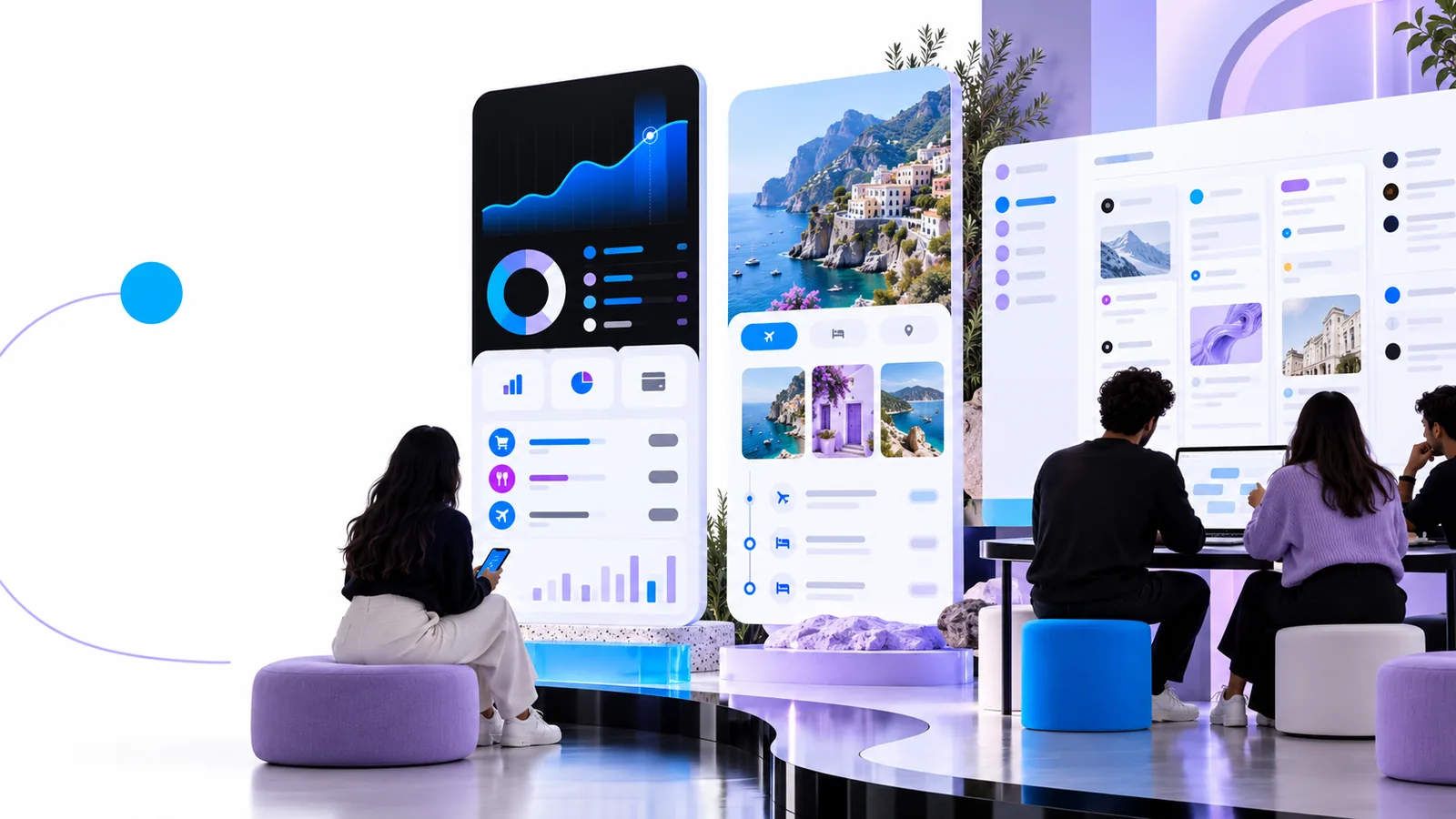
Browser-based app design workspace showing interface concepts

Set expectations

Three limits to check before choosing a free route

A free browser alternative can reduce friction, but it does not remove every design constraint. Knowing the boundaries makes the comparison more useful.

1

It is not a finished product build

An app design workspace can help shape screens, flows, and visual direction, but a design file is not the same as a coded, tested application.

What to do instead

Use the design as a shared specification, then validate the intended behavior with an engineering or prototyping workflow.

2

It may not replace specialist research

Visual composition and screen planning do not automatically provide interviews, analytics, accessibility audits, or usability evidence.

What to do instead

Write down assumptions and test important flows with representative people before treating the design as settled.

3

Free access does not mean unlimited capability

A free app design alternative may have narrower collaboration, export, storage, or advanced workflow options than a larger toolset.

What to do instead

Choose the smallest capability you need for the current project and reassess only when a real constraint appears.

4

Browser convenience is not offline independence

A browser-first process is convenient when you can work online, but it should not be presented as a guaranteed replacement for every local workflow.

What to do instead

Confirm your team’s connectivity, file handoff, and review habits before making the browser route the central process.

Decision process

Three scenarios, one practical pick each

Instead of asking which tool is universally best, match the route to the work in front of you. The following picks keep the decision grounded in scope.

  1. 1

    Pick the browser route for early exploration

    Choose a web-based app design process when the immediate need is to turn a rough idea into screens, compare directions, and create a shared visual reference without installing a desktop application.

  2. 2

    Pick a focused design tool for repeatable systems

    Choose a more structured tool when the project already has reusable components, several contributors, and a clear need for consistent handoff across many screens.

  3. 3

    Pick a mixed workflow for production readiness

    Choose both when the browser is ideal for exploration but engineering, research, or accessibility work must carry the design into a tested product experience.

At a glance

What this comparison actually covers

These numbers describe the scope of this guide, not promises about a particular product plan or feature set.

Browser, structured tool, and mixed workflow options
3 routes
Practical caveats covered before making a choice
4 limits
Related comparisons for UI design and UX design
2 comparisons
The route that best matches your current project
1 decision

Visual checkpoint

From scattered references to a usable direction

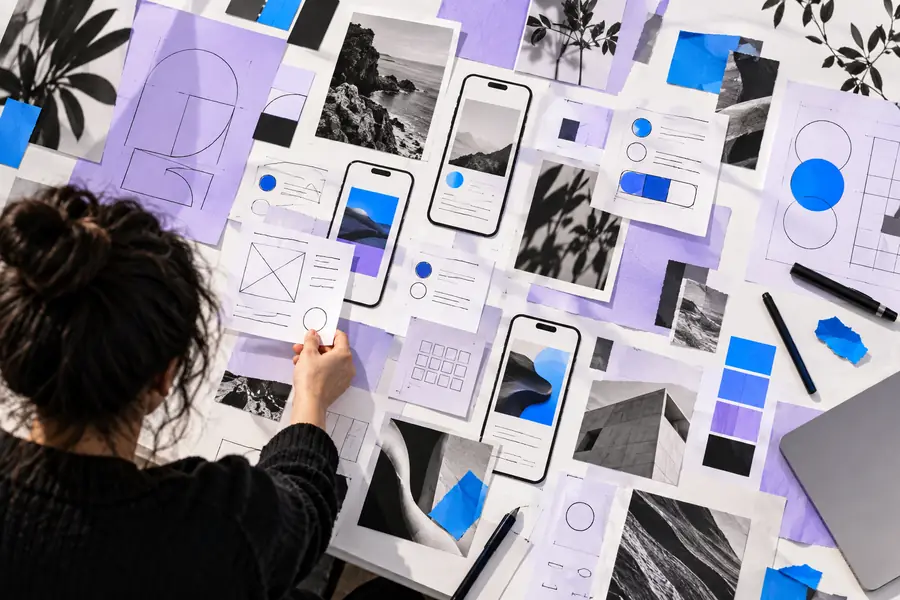
The value of an app design alternative is often visible before implementation: the team can move from disconnected inspiration to a screen direction that is easier to discuss and revise.

Unstructured app design references awaiting a clear direction
Before: scattered inputs
Organized app design software view showing a more coherent interface direction
After: shared direction

Compare clarity before comparing features.

Before: scattered inputsAfter: shared direction

Choose by context

Four teams, four sensible starting points

The best free alternative is the one that removes the next obstacle without creating a larger handoff problem later. Each scenario below points to the most relevant comparison lens.

Solo founder

You need to explore a product idea, sketch a few key screens, and explain the concept to a collaborator before development begins.

Start with a browser workflow that keeps the first pass lightweight. Compare visual scope separately from research and validation so the early design does not pretend to answer every product question.

app design vs ui design

Product designer

You already understand the feature and need to decide whether a free browser process can support a coherent interface direction across the core journey.

Start with the smallest repeatable system that supports your screens. The comparison should focus on consistency, review, and handoff rather than a long list of unused features.

app design vs ux design

Software team

Engineering needs a clearer visual reference for a feature, but the team does not want to commit to a heavier process before the scope is stable.

Use the browser route for exploration and agreement, then document the behavior that still needs implementation and testing. This keeps app design useful without confusing it with software delivery.

app design vs ui design

Client-facing consultant

You need to show several design directions, explain their tradeoffs, and leave the client with a decision they can understand.

Use a short comparison narrative: objective, screen direction, limitation, and next step. A browser-first presentation can make the discussion accessible while the final choice remains tied to project needs.

app design vs ux design

Make the next comparison

A good app design decision is less about finding a universal winner and more about choosing an honest starting point. Use the browser entry point to explore your direction, then keep the limits visible as the project becomes more specific.

Choose the route that fits the work

  • Compare before committing to a workflow
  • Keep visual design separate from product validation
  • Move from exploration to handoff when the direction is clear
Start app design

Comparison FAQ

Questions about a free alternative

These answers focus on the practical meaning of an app design alternative free workflow and the tradeoffs that matter before you choose one.

There is no single best option for every project. A browser-based app design route is a practical starting point when you need to explore screens, compare directions, and share a visual idea without making a larger commitment first. The best choice depends on whether your next constraint is exploration, consistency, collaboration, or implementation.

It can cover an early part of the design process, especially when the goal is to shape screens and agree on direction. It should not automatically be treated as a complete replacement for every software capability, production handoff, research activity, or engineering workflow. Check the specific limitation against the work your team must complete next.

Yes, when the team needs a shared visual reference for an early feature or interface direction. The browser workflow is most useful when paired with clear notes about behavior, edge cases, accessibility, and implementation ownership. It becomes less suitable when the team expects the design layer alone to validate the full product.

Compare the workflow rather than only the feature list. Check how easily the route supports early exploration, screen consistency, review, collaboration, and handoff, then identify what still requires research or engineering. A sensible free alternative is one whose limits are visible and manageable for the current project.

Start designing
Start designing